
Quick Answer: Keyword intent is the goal behind a search query, usually sorted into informational, navigational, commercial, and transactional. It still matters in 2026, arguably more than before, because Google and AI systems both decide what to show based on the intent they infer rather than the words typed. Content that targets the right keyword with the wrong intent does not rank and does not get cited.
Keyword intent is one of those SEO concepts that gets explained the same way in every article and applied properly almost nowhere. Everyone can name the four types. Far fewer teams can look at a results page and say why Google chose to fill it with comparison posts instead of product pages, or what that choice means for the page they are about to write.
The “does it matter in 2026” question is fair, though, and worth answering honestly rather than defensively. AI Overviews now sit on top of a large share of informational queries, AI Mode is absorbing conversational research, and click-through rates on exactly the query type most SEO content targets have collapsed. If intent classification was only ever a way to pick which blog post to write, that model is under real pressure.
What has actually happened is narrower. The traffic value of some intents dropped sharply. The strategic value of correctly reading intent went up, because the cost of getting it wrong is now a page that earns neither a ranking nor a citation.
We run intent classification as the first step in every content system we build, before a single keyword makes it into a brief. It is the cheapest filter in SEO and the one most often skipped.
Key Takeaways
- Keyword intent is the goal behind a query, and Google’s own documentation states that its systems first establish the intent behind a search before assessing whether any content is relevant to it.
- The four-type model used across the SEO industry descends from Andrei Broder’s 2002 taxonomy, which proposed three categories, with commercial investigation added later by practitioners rather than by Google.
- Google’s Search Quality Rater Guidelines classify intent as Know, Know Simple, Do, Website, and Visit-in-person, which maps closely to the four-type model but splits informational into simple and complex.
- Intent alignment matters more in AI search, not less, because Ahrefs found 99.2% of keywords triggering AI Overviews carry informational intent, concentrating AI disruption on a single intent category.
- The most reliable way to identify keyword intent is to read the results page Google already returns for that query rather than to guess from the keyword’s wording.
- If you want intent classification built into a content system rather than applied ad hoc, LYNX SEO builds organic growth programs that start with intent mapping.
What Is Keyword Intent?
Keyword intent, also called search intent or user intent, is the goal a person is trying to accomplish when they type a query. The keyword is the input. The intent is the reason behind it.
Google is explicit about the sequence. Its documentation on how search results are ranked states that to return relevant results, the systems first need to establish what the searcher is looking for, meaning the intent behind the query. Only then does relevance assessment begin. Intent is not a ranking factor sitting alongside others. It is the filter applied before the others are considered.
The three terms get used interchangeably and the distinction is minor.
- Search intent describes the goal behind a query in general.
- Keyword intent is the same concept applied to a specific keyword you are targeting.
- User intent is the broader UX term covering what someone wants from a page or product, not only a search.
The practical definition worth remembering is that keyword intent is the page type Google has already decided to reward for that query, and your job is to identify that decision rather than argue with it.
The Four Types of Search Intent, With Keyword Intent Examples
The four-type model is the industry standard. Here is each type with the signals that identify it.
| Intent Type | What the Searcher Wants | Common Modifiers | Keyword Intent Examples | Page Type That Ranks |
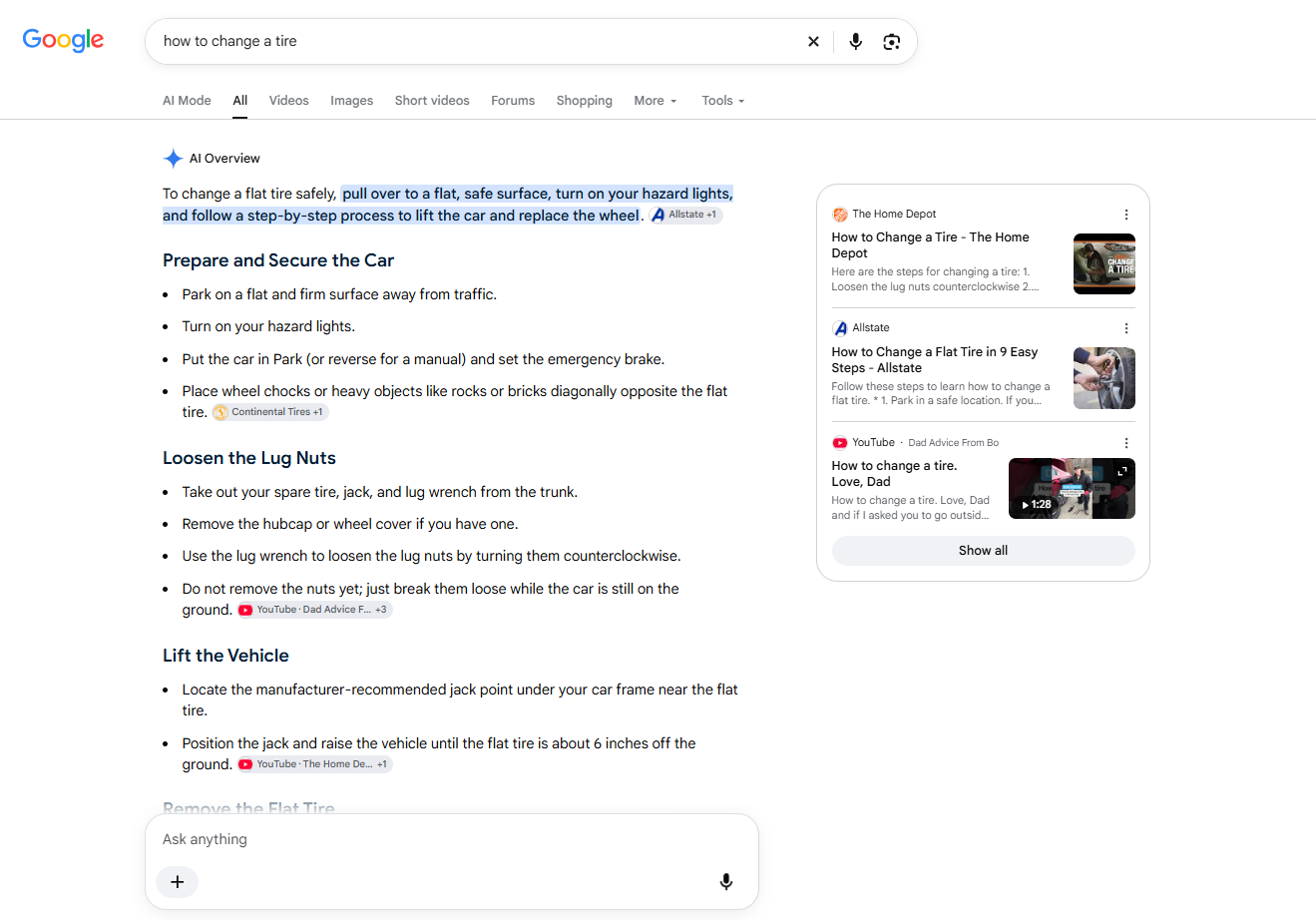
| Informational | To learn or understand something | how, what, why, guide, tutorial, ideas | “what is keyword intent”, “how to change a tire” | Blog post, guide, explainer |
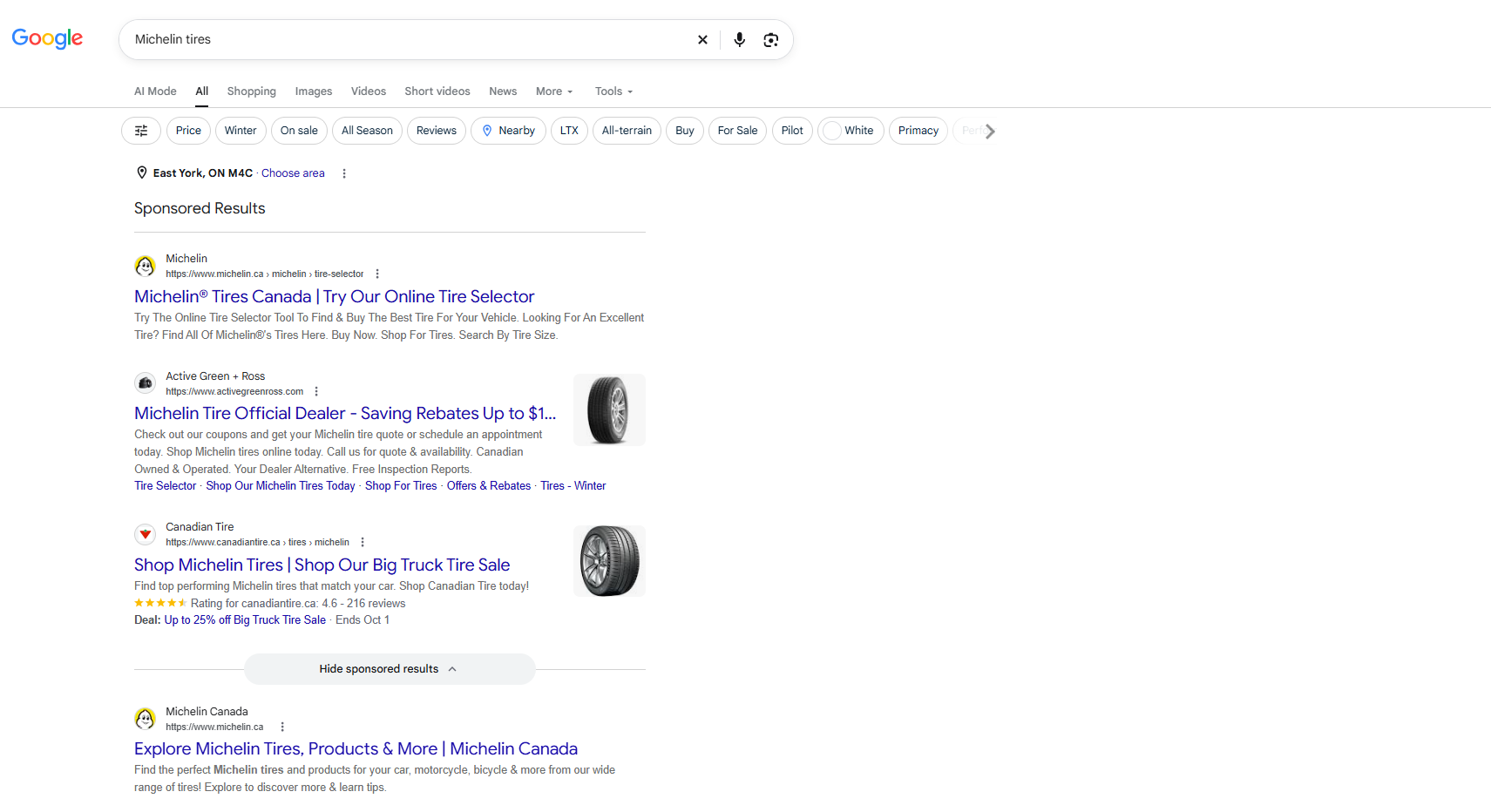
| Navigational | To reach a specific site or page | brand names, “login”, “pricing”, “support” | “asana login”, “semrush pricing” | The brand’s own page |
| Commercial | To compare before deciding | best, top, review, vs, alternatives | “best CRM for small business”, “ahrefs vs semrush” | Comparison, roundup, review |
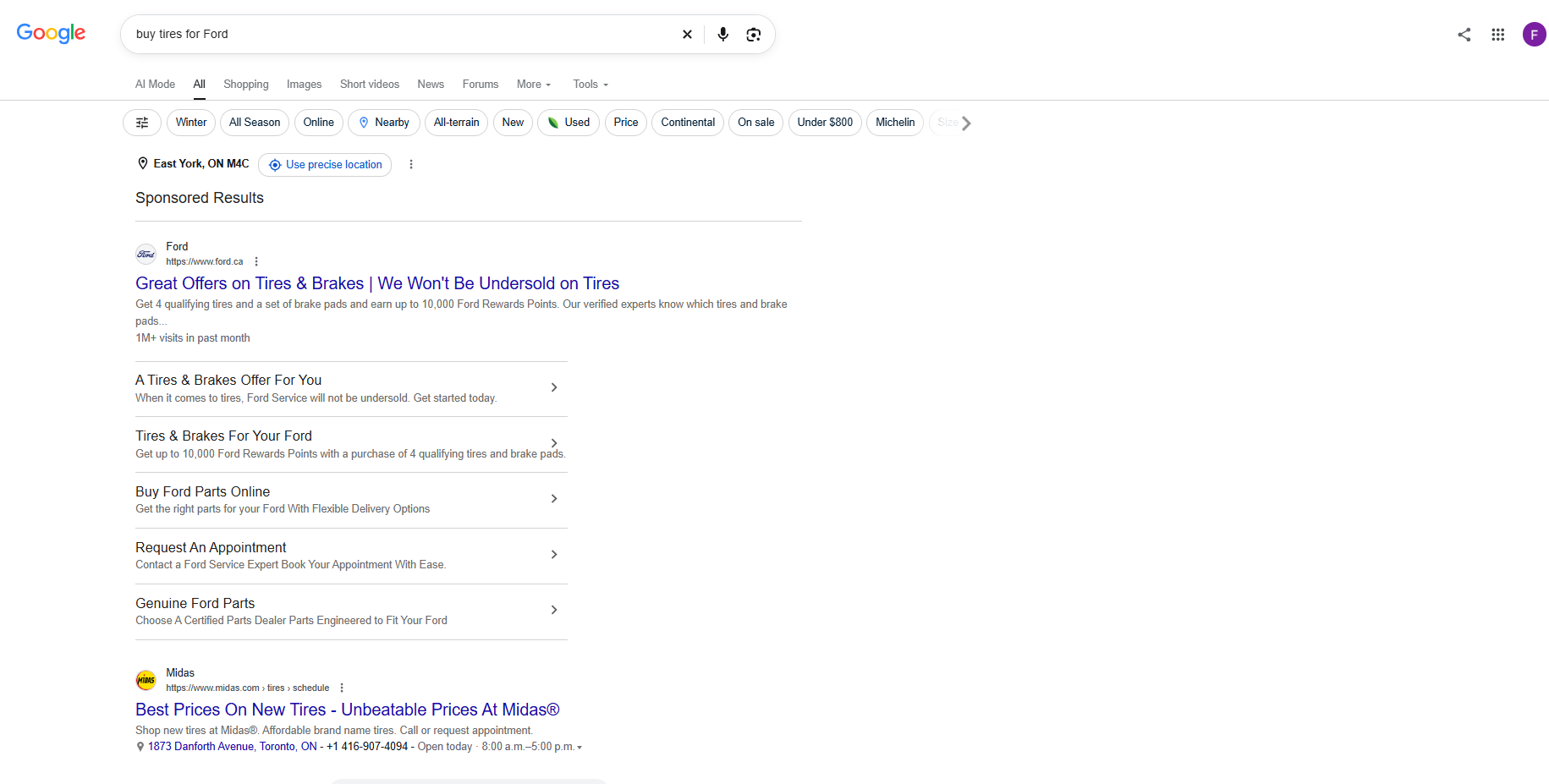
| Transactional | To complete an action now | buy, order, book, download, free trial, near me | “buy running shoes size 10”, “book dentist appointment” | Product, pricing, booking page |
A few notes that most explanations skip.
- Commercial Intent Is An Industry Addition: Broder’s original taxonomy had three categories. Commercial investigation was added later by SEO practitioners because the gap between “learning about a category” and “ready to buy” is where most B2B and ecommerce revenue actually sits. It is a useful category. It is not Google’s terminology.
- Modifiers Are Evidence, Not Proof: “Best running shoes” looks commercial and usually is. “Best way to lace running shoes” contains the same modifier and is purely informational. Never classify on the modifier alone.
- Navigational Intent Is Mostly Unwinnable: If someone searches a competitor’s brand plus “login”, you are not going to take that click and should not try. The exception is comparison and alternatives content sitting adjacent to competitor brand terms.
- Transactional Intent Is The Smallest Category And The Most Valuable: Fewer queries, far higher conversion rate, and typically the least affected by AI summaries.
Where the Four Types of Keyword Intent Came From
Worth two paragraphs because it explains why the categories are shaped the way they are.
The taxonomy originates with Andrei Broder’s 2002 SIGIR paper, which argued that classic information retrieval assumed every search expressed an information need, when in reality the need behind a web search is often navigational or transactional instead. Broder proposed those three categories and validated them against AltaVista query logs and a user survey. Rose and Levinson refined the model in 2004 with subcategories, and the SEO industry later collapsed it back into four.
The query distribution from that era is a useful anchor. Academic analysis of the early studies placed informational queries at roughly 39% to 48% of all searches and navigational queries at 20% to 24.5%, with transactional making up the balance. Definitions varied enough between studies that the ranges are wide, but the shape holds: informational is the largest bucket by volume and the least commercially valuable per query.
Google’s own framework differs slightly. The Search Quality Rater Guidelines instruct raters to classify user intent as Know, Know Simple, Do, Website, or Visit-in-person, then assess how well a result meets that need on the Needs Met scale. Google splitting informational into Know and Know Simple is the single most useful detail in that framework, because a query wanting a one-line fact and a query wanting a 3,000-word explanation are not the same job.
Does Keyword Intent Still Matter in 2026?
Yes, and the reason is more interesting than the usual reassurance.
AI disruption has not landed evenly across intent types. It landed almost entirely on one. Ahrefs’ research found that 99.2% of keywords triggering AI Overviews carried informational intent, which is why their CTR analysis focused on informational keywords for a like-for-like comparison. Semrush’s study of more than 10 million keywords tracked that concentration loosening over 2025, with the informational share of AI Overview queries falling from 91.3% in January to 57.1% by October as coverage expanded into commercial and transactional territory.
The click consequences are documented. Pew Research’s browsing study of nearly 69,000 searches found users clicked a traditional result on just 8% of searches where an AI summary appeared, against 15% where none did.
Put those together and intent classification becomes a resource allocation decision rather than a formatting one. Informational content is now the highest-risk investment per hour spent, which does not mean stop making it. It means know what you are buying: brand presence and citation rather than sessions. Commercial and transactional intent still convert clicks into revenue, and they are where most sites are underinvested because informational keywords have higher volume and are easier to write for.
The teams struggling most in AI search are the ones whose entire content program targeted a single intent type, which was never a strategy so much as a habit that used to work.
How to Identify Keyword Intent: Read the SERP, Not the Keyword
The reliable method is unglamorous. Search the query and look at what Google already returns.
Google’s ranking documentation describes systems inferring intent from query wording, language, locality, and freshness signals, using the example that a search for “pizza” is treated as local intent and returns nearby businesses. The results page is Google’s answer to the intent question, already published. You do not need to infer what it wants. You need to read it.
A repeatable process:
- Search The Exact Query: Incognito, correct location, no personalization. Small wording changes flip intent, so test the exact phrasing you plan to target.
- Classify The Top Ten Page Types: Count how many are blog posts, product pages, category pages, comparison articles, or tools. The dominant type is the intent.
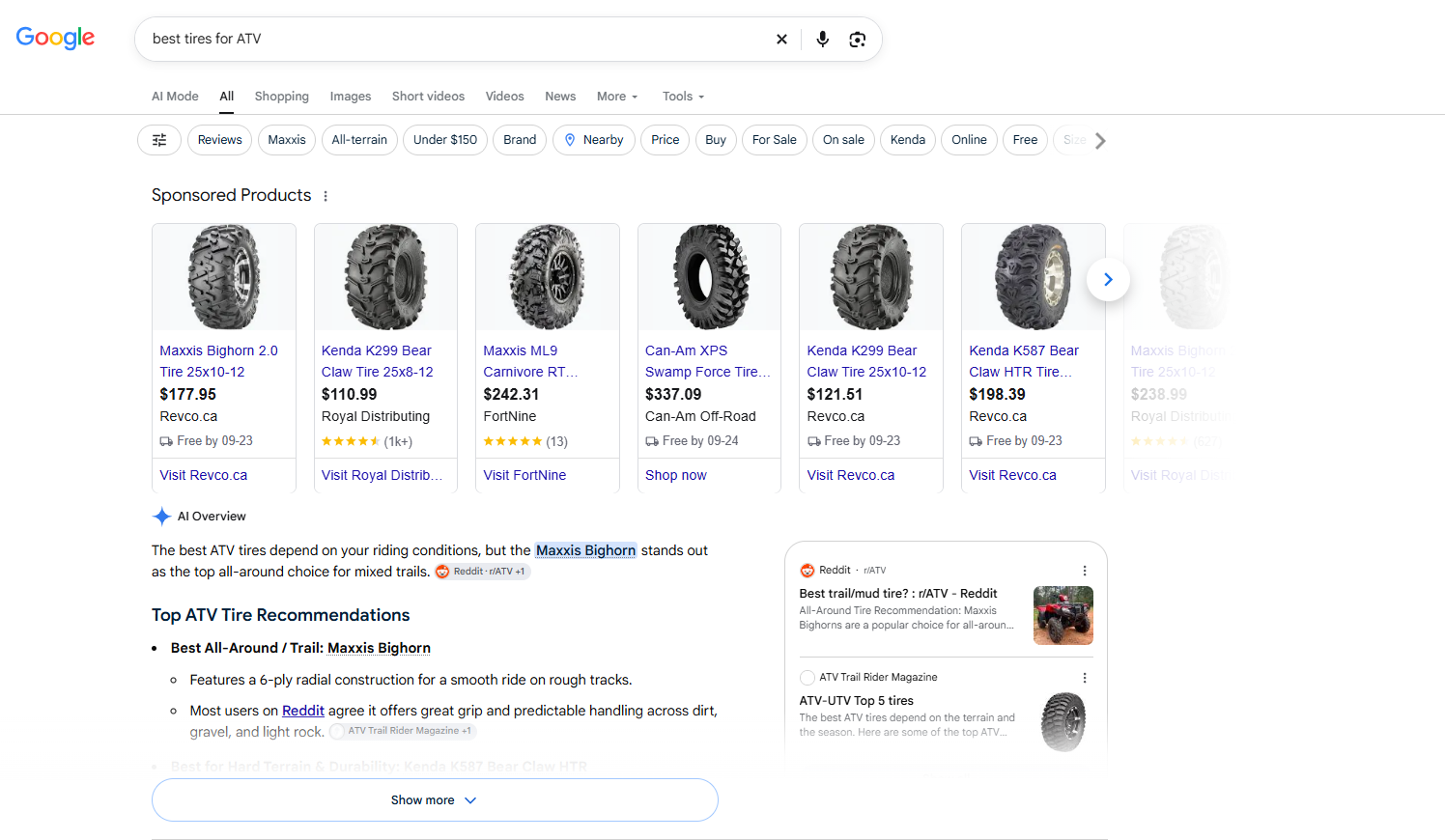
- Note The SERP Features: Shopping carousels, local packs, AI Overviews, and video results each carry intent information.
- Check The Content Format: Among informational results, are they short definitional answers or long guides? That is the Know versus Know Simple split.
- Look For Intent Mixing: If the top ten contains four product pages and four blog posts, the query has split intent and needs a deliberate decision rather than a default.
- Record The Winner’s Angle: What specific question does the top result answer in its first paragraph? That is the job to be done.
Ten minutes per priority keyword. It is the highest-return ten minutes in the entire content process, and it is the step teams skip when a deadline is close.
Keyword Intent Analysis: Reading SERP Features as Intent Signals
Every feature Google renders is a statement about what it thinks the searcher wants.
| SERP Feature Present | What It Signals | What to Build |
| AI Overview | Informational, synthesizable, likely low click | Answer-first content built for citation, not sessions |
| Featured snippet | Informational with a single extractable answer | Question heading plus a 40 to 60 word answer block |
| Shopping carousel or product grid | Transactional | Product or category page with complete structured data |
| Local pack or map | Visit-in-person | Location page and an accurate Business Profile |
| People Also Ask cluster | Broad or unresolved informational intent | Multiple question headings on one page |
| Video results near the top | Process or demonstration intent | Video asset, or a page with embedded video |
| Mostly comparison articles | Commercial investigation | Genuine comparison content with an explicit verdict |
| Mostly brand-owned pages | Navigational | Nothing; deprioritize the keyword |
The most expensive intent mistake is not misclassifying a keyword, it is classifying it correctly and then writing the page format you preferred anyway. We see this constantly in audits: a well-researched buying guide targeting a query where Google returns nothing but product pages, or a thin category page targeting a query where every result is a 2,500-word comparison.
Matching Content to Search Intent: What Actually Ranks
Once intent is classified, the page type follows almost mechanically.
- Informational Intent: Answer the question in the first two sentences, then expand. Structure with question-shaped headings. Assume the value is citation and brand presence as much as clicks, and write the answer blocks accordingly.
- Commercial Intent: Build a real comparison with an explicit recommendation. Fairness to alternatives is a ranking asset here, not a risk. Vague “it depends” conclusions lose to content that commits.
- Transactional Intent: Get the friction out of the way. Price, availability, shipping, and a clear action. Long preambles on a transactional page are a conversion tax.
- Navigational Intent: Own your own brand terms completely, including “brand + pricing”, “brand + login”, and “brand + reviews”. Concede competitor navigational terms and target their alternatives queries instead.
Symptoms that a live page has an intent mismatch:
- Impressions are healthy but click-through rate sits well below the position average.
- The page ranks on page two and refuses to move despite links and technical fixes.
- Traffic arrives and converts at close to zero, which usually means informational visitors landing on a commercial page.
- The page ranks for a keyword you never targeted, which is Google telling you what it thinks the page actually is.
That last one is worth acting on. When Google consistently ranks a page for a different query than the target, it has classified your content’s intent differently than you did, and it is usually right.
How Search Intent Affects SEO and AI Citation
Intent alignment carries directly into AI search, which is the part most intent guides have not caught up with.
Google’s documentation on AI features and your website confirms there is no special markup or optimization required for AI Overviews and AI Mode, and that existing SEO fundamentals continue to apply. Intent matching is one of those fundamentals. A retrieval system deciding which sources to synthesize is performing the same relevance judgment, on the same signals, with the same intent inference happening first.
The practical difference is what a correctly matched page earns. On informational queries, the return is increasingly citation rather than a session. On commercial and transactional queries, the click is still there and still worth chasing. Building for both means writing informational content in an extractable, answer-first structure while keeping the commercial pages built for conversion.
Most in-house teams can classify intent properly for their top thirty keywords and then never get to keyword thirty-one, which is usually where outside execution starts paying for itself.
The AI-side detail lives in how to get cited in ChatGPT and getting more traffic and visibility from LLMs, and it is the foundation of the answer engine optimization work we run for clients.
Mixed Intent and Shifting Intent: The Cases That Break Classification
Two situations make the four-type model insufficient, and both are common enough to plan for.
Mixed intent occurs when a results page contains several page types because Google is not confident which goal dominates. “CRM software” might return product pages, comparison articles, and definitional content in the same top ten. The correct response is to match the dominant type rather than build a hybrid page that satisfies nobody. If the split is close to even, build separate pages for each intent and interlink them.
Shifting intent occurs when the meaning of a query changes over time. A product launch, a news event, or a seasonal cycle can flip a results page entirely. Intent is not a permanent property of a keyword, which is why intent classification belongs on a review cadence rather than in a spreadsheet nobody has opened since the strategy was signed off.
Re-check intent for priority keywords quarterly, and immediately after any page suffers an unexplained ranking drop. A page that stopped ranking without losing links or breaking technically has often been outrun by an intent shift rather than by a competitor.
Conclusion: Intent Classification Got Cheaper to Do and More Expensive to Skip
Keyword intent still matters in 2026. What changed is the payoff structure, not the principle.
Informational keywords carry more risk than they used to, because that is where AI Overviews concentrated and where clicks fell hardest. Commercial and transactional intent held up better and remain underinvested at most companies. Reading the results page rather than guessing from the keyword is still the only reliable classification method, and it still takes about ten minutes per keyword.
Do that consistently and the rest of the content process gets easier, because you stop producing pages that were well-written answers to questions nobody was asking in that format.
If you want intent mapping built into a content system rather than applied when someone remembers, that is what we do.
Talk to LYNX SEO and you get the full team, SEO Director, Strategist, Technical Lead, Designer, and Editor, for less than the cost of a single senior in-house hire. Our content strategy work starts with intent classification before a keyword reaches a brief.
Related Reading
- How to Rank on ChatGPT: AEO/LEO Guide
- How to Measure AI Search Visibility
- How to Audit Your Brand’s AI Search Visibility
Frequently Asked Questions
What Is Keyword Intent in SEO?
Keyword intent is the goal behind a search query, classified in SEO as informational, navigational, commercial, or transactional. Google establishes the intent behind a query before assessing content relevance, which makes intent matching a prerequisite for ranking rather than an optimization applied afterward.
What Are the Four Types of Search Intent?
Informational, where the searcher wants to learn something. Navigational, where they want to reach a specific site. Commercial, where they are comparing options before deciding. Transactional, where they are ready to act. Google’s own rater guidelines use a slightly different set: Know, Know Simple, Do, Website, and Visit-in-person.
How Do I Determine Search Intent for a Keyword?
Search the exact query in an incognito window with the correct location, then classify the page types in the top ten results. The dominant page type is the intent Google has already decided to reward. SERP features add detail: shopping carousels indicate transactional intent, local packs indicate visit-in-person, and AI Overviews indicate informational.
What Is the Difference Between Keyword Intent and Search Intent?
Nothing meaningful. Search intent describes the goal behind a query in general, keyword intent applies the same idea to a specific keyword you are targeting, and user intent is the broader term covering what someone wants from a page or product. The industry uses all three interchangeably.
Does Keyword Intent Still Matter With AI Overviews?
More than before, because AI disruption concentrated on one intent type. Ahrefs found 99.2% of AI Overview triggering keywords were informational, which means intent classification now tells you how much click risk a keyword carries, not just what format to write.
What Are Commercial Investigation Keywords?
Commercial investigation keywords sit between learning and buying, typically using modifiers like best, top, review, versus, and alternatives. The category was added by SEO practitioners rather than by Google, because the gap between researching a category and being ready to purchase drives most B2B and ecommerce revenue.
Can One Keyword Have More Than One Intent?
Yes, and it is common. When Google returns a mix of product pages, comparison articles, and guides for the same query, it is signaling that no single goal dominates. Match the most prevalent page type rather than building a hybrid, and create separate interlinked pages if the split is genuinely even.
How Does Search Intent Affect Content Strategy?
It determines page type, format, length, and what success looks like. Informational intent produces guides measured increasingly by citation, commercial intent produces comparisons measured by qualified clicks, and transactional intent produces product or booking pages measured by conversion. Applying one measurement standard across all three misreads every one of them.
How Often Should I Re-Check Keyword Intent?
Quarterly for priority keywords, and immediately after any unexplained ranking drop. Intent shifts when products launch, news breaks, or seasons change, and a page that lost rankings without losing links or breaking technically has often been outrun by an intent shift.
Does Keyword Intent Matter for Ecommerce Product Pages?
Yes, and it is where mismatches are most costly. Product pages targeting informational queries rarely rank, and category pages targeting comparison queries lose to editorial content. We cover the AI-search version of this problem in Shopify AI Overview optimization.
Sources
- Broder, Andrei. “A Taxonomy of Web Search.” ACM SIGIR Forum, Vol. 36, No. 2. 2002. https://sigir.org/files/forum/F2002/broder.pdf
- Google. “Ranking Results: How Google Search Works.” Google Search. https://www.google.com/intl/en_us/search/howsearchworks/how-search-works/ranking-results/
- Google. “Search Quality Rater Guidelines.” Google. 2025. https://guidelines.raterhub.com/searchqualityevaluatorguidelines.pdf
- Ahrefs. “AI Overviews Reduce Clicks.” Ahrefs Blog. 2025. https://ahrefs.com/blog/ai-overviews-reduce-clicks/
- Pew Research Center. “Google Users Are Less Likely to Click on Links When an AI Summary Appears in the Results.” 2025. https://www.pewresearch.org/short-reads/2025/07/22/google-users-are-less-likely-to-click-on-links-when-an-ai-summary-appears-in-the-results/